
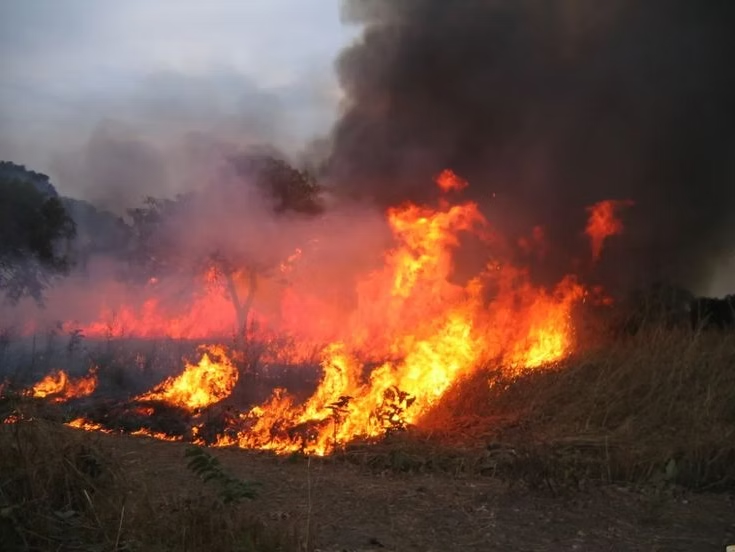
Wildfire season can strike with little warning, leaving homeowners scrambling to protect their property. Beyond the devastating safety risks, wildfires can also have a major financial impact. The good news is that taking proactive steps to safeguard your home not only helps protect your family but can also reduce your home insurance premiums.
From creating defensible space to using fire-resistant materials and maintaining a safe landscape, these strategies give you the tools to prepare effectively.
Understanding Home Hardening
Identifying Weak Spots
Your first step in wildfire preparedness is identifying the vulnerabilities in your home’s construction and surroundings. Homes with wood siding, untreated decks, or thatched roofs are more susceptible to ignition from embers. Check for nearby vegetation, overhanging branches, and flammable landscaping close to your home’s walls. Even if your windows matter, single-pane glass can shatter under extreme heat, allowing embers inside. Sealing vents and eaves with fire-resistant materials further reduces entry points for sparks.
The slope and layout of your property also play a role. Fire moves more quickly uphill, so homes on steep terrain need extra defensible space. Aim for at least 30 feet of clearance from combustible vegetation. For heavily wooded areas, expanding that distance can provide better protection. And do not overlook your road access safe, navigable routes in and out of your property are essential for both evacuation and allowing emergency vehicles to reach you.
Using Fire-Resistant Materials
Swapping vulnerable materials for fire-resistant alternatives greatly boosts your home’s resilience. Metal roofs, fiber-cement siding, and fire-rated doors can all help shield your home from flames and embers. Tempered glass windows resist shattering in extreme heat, keeping your interior safe. Even your garage door can be a weak point, so consider fire-rated models for added protection.
Landscaping is part of the equation too. Choose non-combustible ground covers like gravel or stone near the home. Incorporate hardscaping features such as patios or retaining walls to act as natural fire breaks. Many of these improvements not only enhance safety but may also qualify you for insurance discounts.
Landscaping for Fire Defense
Creating Defensible Space
Defensible space is a safety buffer between your home and potential wildfire fuel. In the first five feet from your home, keep the area clear of plants, mulch, and other flammable items. From five to thirty feet, space trees and shrubs so they are not touching, and prune lower branches to prevent flames from climbing. For properties in high-risk zones, extending this buffer to 100 feet adds an extra layer of security.
Regular maintenance is key. Clear away fallen leaves, remove dead plants, and keep grass trimmed short. These steps break the chain that allows fire to spread toward your home.
Choosing Fire-Resistant Plants
Select plants with high moisture content and low flammability. Native, drought-tolerant species like succulents, ornamental grasses, and certain flowering shrubs tend to resist ignition and require less upkeep. Space them several feet apart to slow the spread of flames, and arrange your garden in zones to balance safety and visual appeal. These choices not only reduce fire risk but can also conserve water and attract pollinators.
Preparing Your Family for Emergencies
Building an Evacuation Plan
A wildfire evacuation plan can save lives. Identify multiple escape routes from your neighborhood in case one is blocked. Designate a meeting place outside your immediate area and ensure all household members know the plan. Practice these routes regularly so everyone is familiar with them.
Communication and Go-Bags
Establish a family communication plan with a central contact person outside your area. Store their phone number in everyone’s phone and write it on a card kept in wallets or backpacks. Equip each family member with a go-bag containing essentials such as identification, medications, non-perishable food, water, and weather-appropriate clothing. Keep an extra emergency kit in your car for added readiness.
How Preparedness Can Lower Insurance Premiums
Insurance companies often reward homeowners who take steps to reduce fire risk. Creating defensible space, installing fire-resistant materials, and maintaining a safe property can all lead to policy discounts. For example, homes with metal roofs, tempered glass windows, and documented mitigation measures are often seen as lower risk, which can translate into lower premiums.
Work with your insurance agent to understand which improvements qualify for discounts. Keep receipts, photos, and documentation of upgrades to make your case for reduced rates.
Navigating the Claims Process After a Wildfire
If a wildfire damages your home, prompt reporting to your insurer is crucial. Take photos, gather receipts, and provide a detailed inventory of damaged items. Keep records of all communications with your insurance company, including dates, names, and discussion notes. If an adjuster visits your property, be ready to highlight your fire-mitigation efforts, as this can influence claim outcomes.
Building a Stronger Community
Wildfire safety is stronger when neighbors work together. Joining or forming a local fire safety group can give you access to grants, community cleanup days, and shared resources. Participating in preparedness workshops connects you with local fire professionals and ensures you stay informed about the latest safety strategies.
FAQ: Wildfire Preparedness and Insurance Savings
What are the most effective ways to prepare my home for wildfire season?
The best preparation includes creating a defensible space, using fire-resistant materials, sealing vents, trimming vegetation, and clearing debris. Regular maintenance is essential to ensure these measures remain effective.
Can preparing my home for wildfires really lower my insurance premiums?
Yes. Many insurers offer discounts for documented mitigation steps, such as installing a fire-resistant roof, using non-combustible siding, or creating a defensible space. Speak with your insurance agent to identify potential savings.
How do I make a wildfire evacuation plan for my family?
Choose multiple escape routes, establish a meeting point outside your area, and practice the plan regularly. Keep emergency go-bags ready for each family member and set up a central contact person for updates during an evacuation.
What should go in my wildfire emergency kit?
Include identification, medications, first aid supplies, non-perishable food, bottled water, a flashlight, spare clothing, phone chargers, and important documents. Update the kit seasonally and store it in an easily accessible location.
Are certain plants better for wildfire-resistant landscaping?